Blog
DMT Pens in the United States
Feb
DMT Pens in the United States: A Comprehensive Educational Guide to Science, Law, Culture, Risks, and Public Health
Interest in psychedelic substances has increased significantly in the United States over the past decade, driven by renewed scientific research, changing public attitudes, and extensive online discussion. Among these substances, DMT (N,N-Dimethyltryptamine) has attracted particular attention due to its intense and short-acting psychoactive effects. In digital spaces, this curiosity has expanded to discussions of DMT pens, also referred to as DMT vape pens.DMT Pens in the United States
This long-form pillar article provides a complete educational overview of DMT pens in the United States, focusing on scientific understanding, legal status, health considerations, cultural narratives, misinformation, ethics, and public-health perspectives. The purpose of this content is education and awareness only. It does not promote, encourage, or facilitate illegal activity.DMT Pens in the United States
What Is DMT?
DMT is a naturally occurring tryptamine compound found in various plant species and trace amounts in animals. Structurally similar to serotonin and melatonin, DMT interacts strongly with serotonin receptors in the brain, particularly the 5-HT2A receptor, which plays a role in perception, cognition, and consciousness.DMT Pens in the United States
When introduced into the body, DMT produces rapid and profound alterations in sensory perception, emotional processing, and sense of self. These effects are among the most intense reported for any known psychedelic compound.
Traditional and Scientific Context
Indigenous and Cultural History
DMT is best known as a psychoactive component of ayahuasca, a traditional ceremonial brew used by Indigenous Amazonian cultures. In these contexts, DMT use occurs within structured rituals involving preparation, guidance, and cultural safeguards.DMT Pens in the United States
Modern Scientific Research
In contemporary research settings, DMT has been studied for:
- Altered states of consciousness
- Brain network changes during psychedelic experiences
- The neurobiology of perception and identity
Despite scientific interest, DMT has no approved medical use in the United States outside licensed research trials.
What Are “DMT Pens”?
General Description
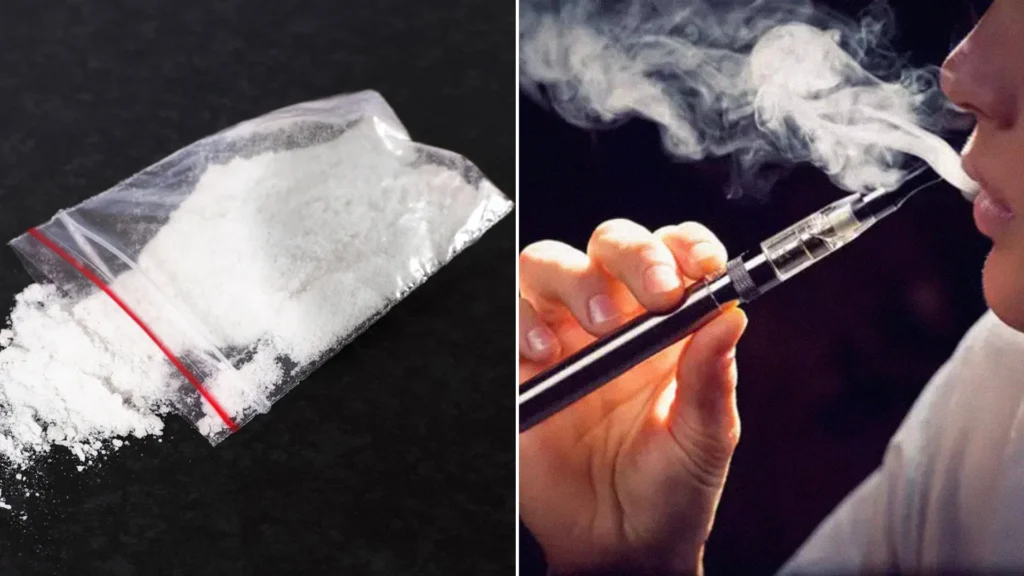
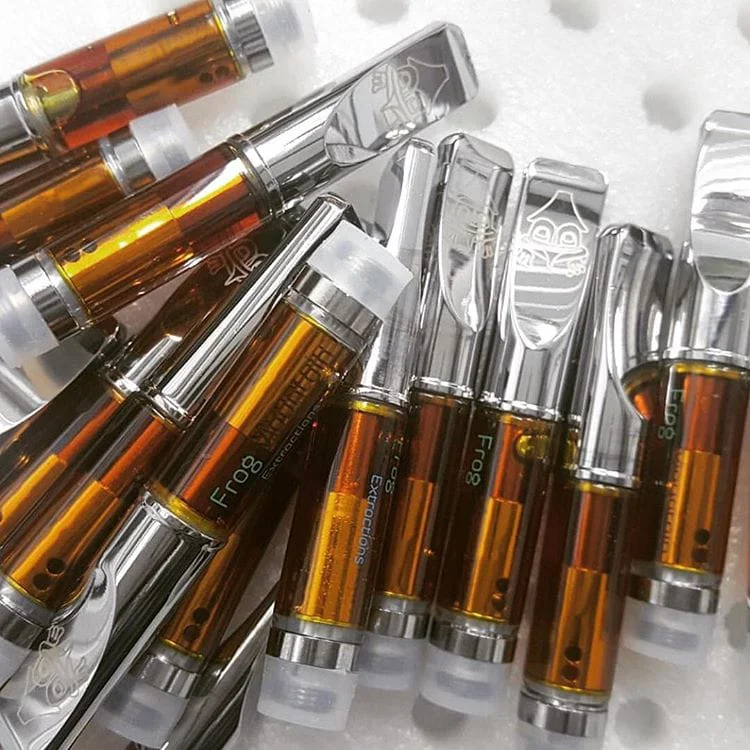
A DMT pen is a term commonly used online to describe a handheld vape-style device that allegedly contains a liquid formulation intended to be inhaled as vapor. These devices resemble nicotine or cannabis vape pens in appearance.DMT Pens in the United States
They are often described as:
- Portable and discreet
- Fast-acting due to inhalation
- Easy to use compared to other alleged methods
Critical Educational Clarification
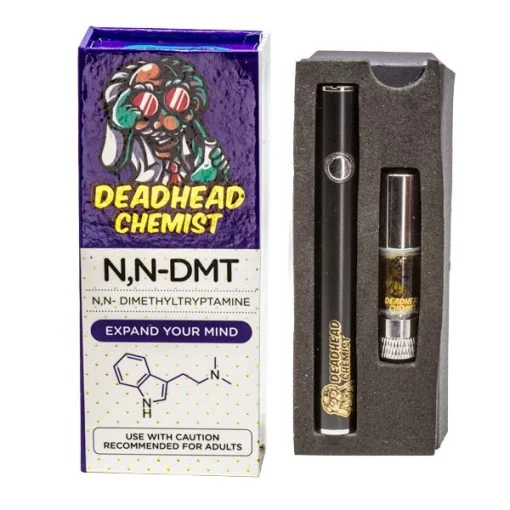
There is no legal or regulated market for DMT pens in the United States. Any product described this way exists entirely outside consumer safety regulation, pharmaceutical standards, and medical oversight. As a result:DMT Pens in the United States
- Ingredients are unknown
- Potency is inconsistent
- Label claims are unverifiable
Why DMT Pens Appear in Online Discourse
Influence of Vape Technology
The normalization of vaping for nicotine and cannabis has made vaporization a familiar delivery method. This technological familiarity has influenced speculation and discussion around other substances.DMT Pens in the United States
The Psychedelic Renaissance
Renewed research into psychedelics such as psilocybin and MDMA has increased public curiosity about related compounds, including DMT. Media coverage sometimes blurs the line between regulated clinical research and unregulated consumer products.DMT Pens in the United States
Internet Amplification
Forums, blogs, and social platforms amplify anecdotal experiences, often prioritizing dramatic narratives over balanced, evidence-based information.DMT Pens in the United States
Legal Status of DMT Pens in the United States
Federal Law
Under the Controlled Substances Act, DMT is classified as a Schedule I controlled substance. This means:
- No accepted medical use under federal law
- Illegal to manufacture, possess, or distribute
- The law applies regardless of form, including vape pens
- DMT Pens in the United States
Changing the method of delivery does not alter the legal status of the substance.
State and Local Policy Context
Some U.S. jurisdictions have moved toward decriminalization of certain psychedelics. However:
- Decriminalization does not equal legalization
- Commercial sales remain illegal
- Federal law still applies
There is no U.S. state where retail sales of DMT pens are legal.
Neurobiology of DMT
Effects on Brain Networks
Neuroscientific studies suggest that DMT temporarily alters activity in the brain’s default mode network (DMN), which is associated with self-referential thinking and identity. Reduced DMN activity may explain reported effects such as:DMT Pens in the United States
- Altered sense of self
- Distorted time perception
- Intensified imagery
These findings come from controlled research settings, not unregulated products.
Psychological Effects and Integration
The Importance of Aftercare
In clinical research, psychedelic experiences are followed by integration support, helping participants process and contextualize their experiences. Without integration, individuals may experience:
- Confusion or anxiety
- Emotional instability
- Difficulty reintegrating into daily life
Unregulated DMT pen use lacks any integration framework.DMT Pens in the United States
Public Health and Safety Concerns
Unknown Chemical Composition
Unregulated vape liquids may contain:
- Residual solvents
- Contaminants
- Misidentified substances
- Variable concentrations
There is no standardized testing or quality control.
Psychological Risks
DMT experiences can be overwhelming and may include:
- Panic or anxiety
- Dissociation
- Emotional distress
Rapid onset via inhalation may increase psychological intensity, particularly for individuals with underlying mental health vulnerabilities.DMT Pens in the United States
Respiratory and Physical Risks
Inhaling unregulated vaporized substances may pose risks such as:
- Lung irritation
- Inflammation
- Exposure to unknown thermal byproducts
Long-term respiratory effects are poorly understood.
Legal and Social Consequences
Possession of substances labeled as DMT can result in:
- Criminal charges
- Employment and housing consequences
- Travel restrictions
Legal awareness is a critical component of public education.
Misinformation and Digital Literacy
Online content may use:
- Scientific-sounding language
- Medical imagery
- Claims of purity or testing without proof
Educational literacy helps readers recognize that professional appearance does not equal safety or legality.
Ethics of Unregulated Psychoactive Products
From an ethical standpoint, unregulated substances raise concerns about:
- Informed consent
- Consumer protection
- Exploitation of vulnerable individuals
- Lack of accountability
Public-health ethics emphasize transparency and safety—both absent in unregulated markets.
Why Comparisons Are Misleading
Clinical research includes:
- Medical screening
- Controlled dosing
- Professional supervision
- Emergency protocols
Unregulated DMT pens bypass all safeguards, making comparisons inaccurate and potentially dangerous.DMT Pens in the United States
Cultural Narratives and Romanticization
DMT is often portrayed online as:
- A guaranteed spiritual breakthrough
- A shortcut to enlightenment
- A universal healing tool
Such narratives oversimplify risks and ignore individual variability. Education helps balance fascination with realism.DMT Pens in the United States
Youth Exposure and Prevention Education
Young people are especially vulnerable to:
- Online misinformation
- Peer influence
- Risk-taking behavior
Effective prevention focuses on:
- Honest, evidence-based education
- Mental health awareness
- Critical thinking skills
Environmental and Supply-Chain Considerations
Unregulated chemical production may involve:
- Improper disposal of solvents
- Environmental contamination
- Unsafe manufacturing conditions
These external impacts are rarely discussed but remain ethically relevant.
Responsible Educational SEO and Content Ethics
Educational SEO best practices include:
- Targeting informational keywords
- Avoiding transactional language
- Emphasizing law, science, and safety
- Maintaining neutrality and accuracy
This supports both public health and search engine compliance.DMT Pens in the United States
Informational FAQ (Educational Intent)
Are DMT pens legal in the United States?
No. DMT is illegal under federal law in all forms.
Are DMT pens regulated or tested?
No. There is no legal regulatory framework for these products.
Is vaping DMT safer than other methods?
There is no scientific evidence supporting this claim.
Is DMT being researched medically?
Yes, but only in tightly controlled, approved research settings.
Future Outlook
The future of DMT-related discussion in the U.S. will likely involve:
- Continued academic research
- Expanded public education
- Evidence-based policy debate
- Clear separation between research and unregulated markets
Education will remain central regardless of legal developments.DMT Pens in the United States
Conclusion
DMT pens are widely discussed online, but they exist outside legal, medical, and safety frameworks in the United States. Understanding the science, law, health risks, cultural narratives, and ethical concerns surrounding these devices is essential for informed public discourse.
Educational content does not promote illegal behavior—it reduces misinformation, supports public health, and encourages responsible understanding.
Expanded Educational Sections: Deepening Public Understanding of DMT Pens in the United States
Neurobiology of DMT: What Science Currently Knows
How DMT Affects the Brain
From a neuroscience perspective, DMT primarily interacts with the brain’s serotonin system, especially the 5-HT2A receptor. Activation of this receptor is associated with profound changes in perception, sense of self, and cognition. Neuroimaging studies suggest that psychedelic compounds may temporarily reduce activity in the default mode network (DMN)—a brain network associated with self-referential thinking.DMT Pens in the United States
This reduction in DMN activity is often linked to:
- Altered perception of time and space
- Changes in ego or identity boundaries
- Intensified imagery and symbolic thinking
Importantly, these findings come from controlled research environments, not unregulated consumer products.
Psychological Integration and Aftereffects
Why the Experience Doesn’t End When the Effects Wear Off
One area often missing from online discussions is psychological integration—the process of making sense of intense experiences after they occur. In clinical settings, integration support may involve therapy, reflection, and structured follow-up.DMT Pens in the United States
Without integration support, individuals may experience:
- Confusion or emotional distress
- Difficulty reconciling experiences with daily life
- Anxiety related to meaning or identity
- Sleep or mood disturbances
Education emphasizes that powerful psychological experiences require context and support, not just chemical exposure.DMT Pens in the United States
Digital Literacy and Substance-Related Content
How Algorithms Shape Perception
Search engines and social platforms often prioritize:
- High engagement
- Sensational stories
- Emotionally charged narratives
As a result, content about DMT pens may skew toward extreme experiences while underrepresenting risks, legality, and scientific uncertainty. Educational literacy involves asking:
- Who created this content?
- What is their incentive?
- Are claims supported by credible sources?
Teaching digital literacy is a key public-health strategy in the modern information landscape.
The Role of Language in Risk Perception
How Words Influence Behavior
Terms like “natural,” “plant-based,” or “spiritual” are often used in online discussions to reduce perceived risk. From an educational standpoint, it’s important to understand that:
- Natural origin does not equal safety
- Spiritual framing does not replace medical oversight
- Subjective meaning does not override legal reality
Public education helps separate symbolic language from evidence-based assessment.
Comparative Perspective: DMT vs Other Psychedelics
Why DMT Is Unique
Compared to other psychedelics such as psilocybin or LSD, DMT is characterized by:
- Extremely rapid onset (when inhaled)
- Very short duration
- High intensity relative to dose
These characteristics amplify both psychological impact and risk, especially in unsupervised contexts. Educational discussions stress that not all psychedelics carry the same risk profile.
Emergency Response and Lack of Safety Nets
What Happens When Things Go Wrong
In regulated medical environments, adverse reactions are managed through:
- Trained professionals
- Emergency protocols
- Medical equipment
In unregulated contexts involving DMT pens, none of these safeguards exist. This increases reliance on emergency services, which may not be equipped with full information about the substance involved—raising both health and legal risks.DMT Pens in the United States
Ethical Responsibilities of Online Content Creators
Education vs Exploitation
There is a growing ethical discussion around responsibility in publishing substance-related content. Ethical educational content should:
- Avoid glamorization
- Clearly state legal realities
- Include risk and uncertainty
- Avoid implied calls to action
This aligns with best practices for E-E-A-T (Experience, Expertise, Authoritativeness, Trustworthiness) in SEO.
Youth Exposure and Prevention Education
Why Age Matters
Young adults and adolescents are particularly vulnerable to:
- Risk-taking behavior
- Peer influence
- Online misinformation
Public education efforts emphasize prevention by:
- Promoting critical thinking
- Providing accurate legal information
- Encouraging mental health resources
- Avoiding fear-based messaging
Prevention education is most effective when it is honest, balanced, and evidence-based.
International Perspective on DMT Policy
How the U.S. Compares Globally
Globally, DMT is controlled in most countries, though:
- Some nations allow traditional or religious use under strict exemptions
- Research access varies by regulatory framework
These international examples highlight that policy decisions are complex and require infrastructure, education, and oversight—not informal markets.
Environmental and Supply Chain Considerations
Hidden Impacts of Unregulated Production
Unregulated chemical production may involve:
- Improper disposal of solvents
- Environmental contamination
- Unsafe working conditions
These external impacts are rarely discussed online but are relevant from environmental and ethical perspectives.
The Importance of Evidence-Based Public Dialogue
Moving Beyond Polarization
Public discussion around psychedelics often swings between:
- Total prohibition narratives
- Uncritical celebration
Education provides a middle path grounded in:
- Scientific evidence
- Legal clarity
- Mental health awareness
- Ethical responsibility
Are DMT pens legal in the United States?
No. DMT is illegal under federal law regardless of form.
Are DMT pens regulated or tested?
No. There is no legal regulatory framework for these products.
Is vaping DMT safer than other methods?
There is no scientific evidence supporting this claim.
Is DMT being researched medically?
Yes, but only in controlled, approved research settings.
Final Educational Note
Table of Contents
Adding depth, context, and critical thinking to discussions about DMT pens helps shift public understanding away from myths and toward informed awareness. Education does not encourage illegal behavior—it reduces harm, corrects misinformation, and supports public health.
